
Autumn yokai embody transformation, harvest, and the changing winds. Mountain spirits, shape-shifters, and moon-related beings are prominent.
Autumn is the season of transformation—leaves change color, winds grow strong, and the harvest brings both abundance and decay. Autumn yokai embody this duality: mountain spirits watch over changing landscapes, shape-shifters reveal their true forms, and wind gods command the seasonal transitions.
Note: This seasonal categorization reflects the temporal energy states (kisetsukan) of yokai rather than rigid categories. Many yokai may appear across multiple seasons, but their power and presence peak during their associated time.
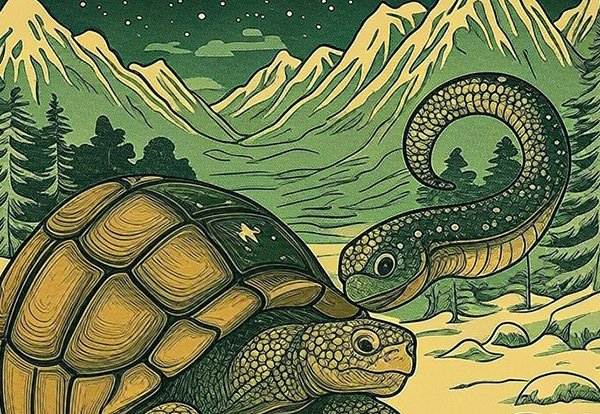
Genbu is a revered guardian spirit in East Asian cosmology, represented as a black tortoise entwined with a snake. It symbolizes protection, endurance, and the direction of the north.
945
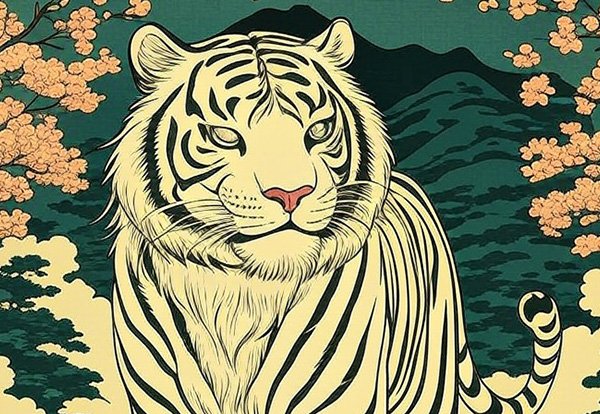
One of the Four Symbols of Chinese and Japanese mythology, Byakko is the White Tiger of the West, representing metal, autumn, and protection.
912
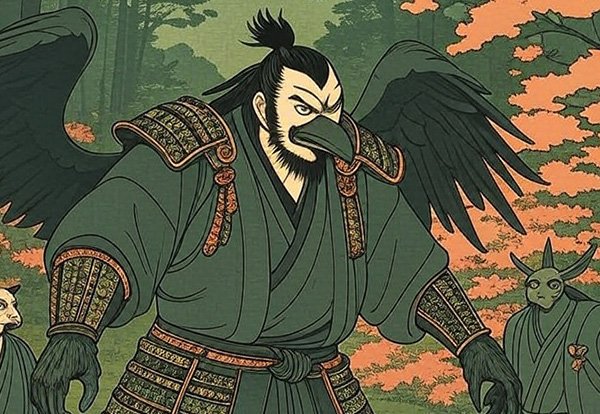
Karasu-tengu is a crow-headed tengu yokai, known as a mountain warrior spirit with a sharp beak, black wings, and mastery of martial arts.
832
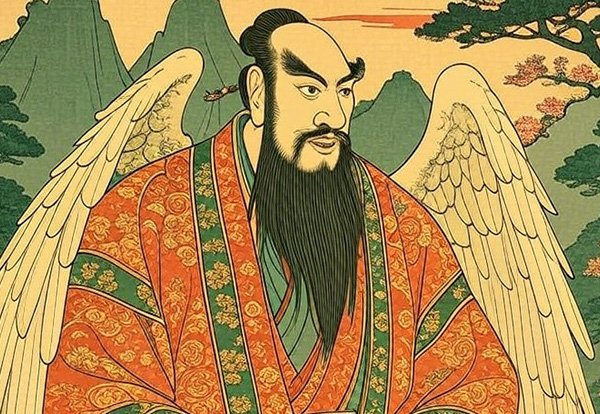
The most powerful class of tengu, Daitengu are mighty mountain spirits and masters of magic and swordplay, each ruling over a sacred peak.
623
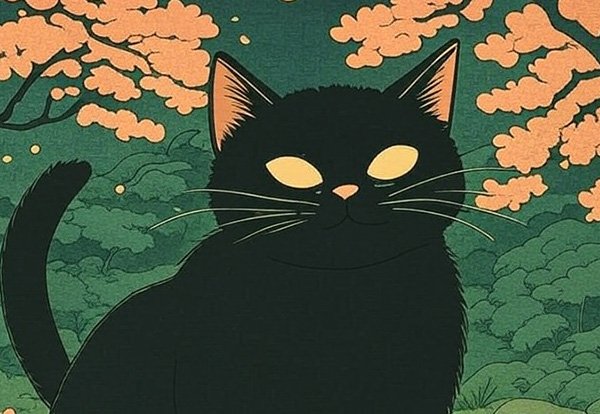
A bakeneko with a split tail, known for dark magical powers, necromancy, and vengeance against cruel humans.
622
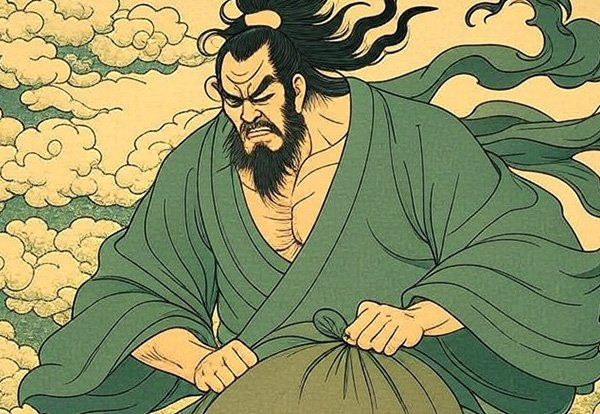
The Japanese god of wind, depicted as a fierce, green-skinned deity carrying a large bag of wind on his shoulders.
603
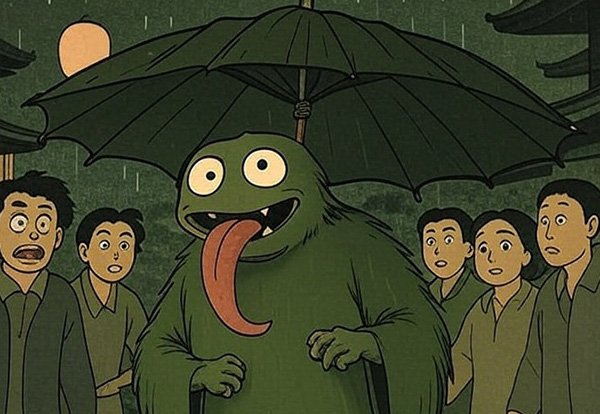
Kasa-obake is a tsukumogami yokai taking the form of a one-eyed paper umbrella with a hopping leg and a long tongue.
562
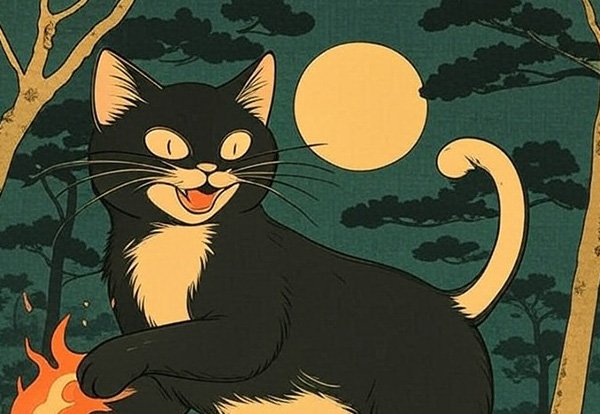
A supernatural cat yokai known for its ability to shape-shift, speak human languages, and curse households. Bakeneko are born when cats live a long life or are mistreated, turning into vengeful and magical beings.
511
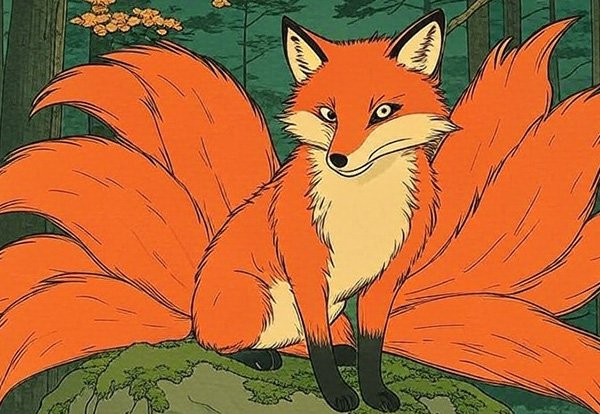
Kitsune are supernatural foxes from Japanese folklore, known for their intelligence, shape-shifting abilities, and magical nature. They are often tricksters or divine messengers associated with Inari.
507
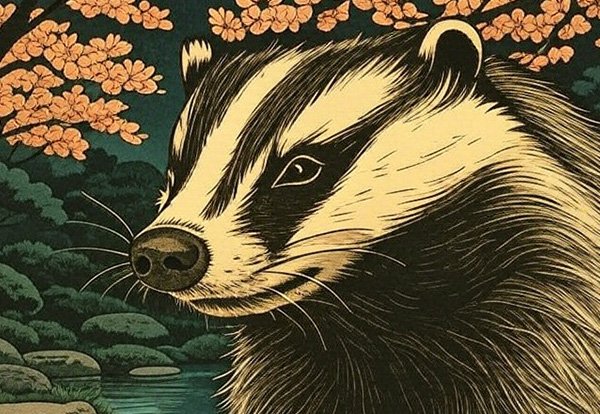
Mujina are shapeshifting badgers known in Japanese folklore for their ability to transform into human forms, especially faceless ghosts known as noppera-bō.
505
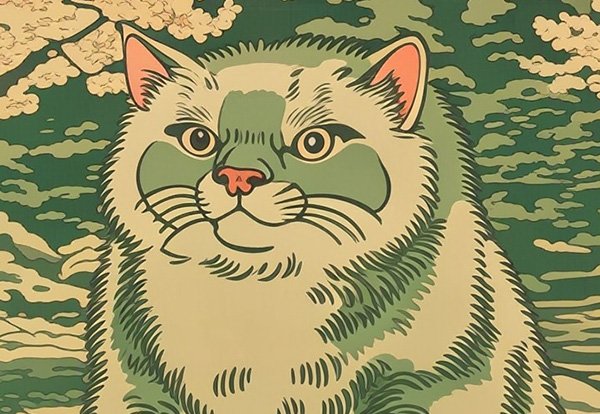
The Abumi-guchi is a small, furry yōkai that is said to be formed from an abumi.
470
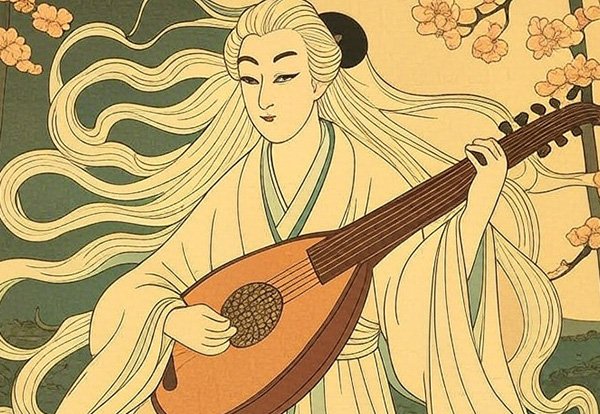
A haunted biwa (Japanese lute) that takes on a ghostly form, often appearing when neglected or unused.
453
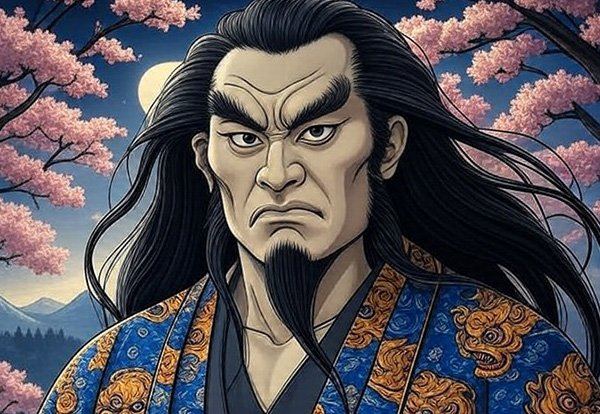
A ritual demon from Hokuriku who visits homes during festivals to scare laziness out of adults and children alike.
438
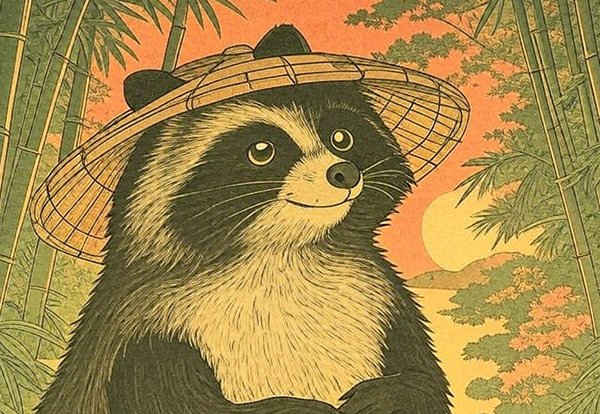
A magical raccoon dog from Japanese folklore known for shape-shifting and playing harmless tricks on humans, often seen as a bringer of good fortune.
429
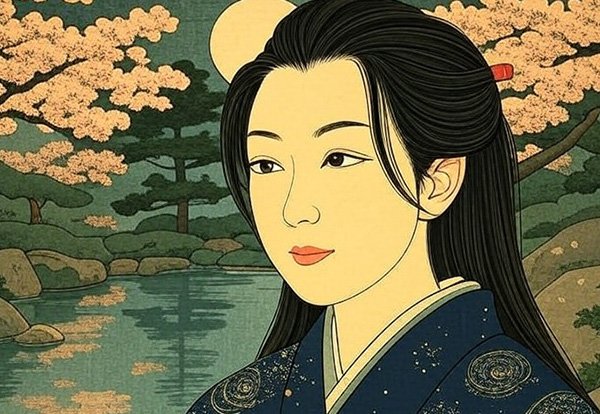
Katsura-otoko is a mysterious lunar being said to dwell on the moon, tending a sacred katsura tree. He is portrayed as a beautiful, melancholic man, representing celestial isolation and unearthly beauty.
414
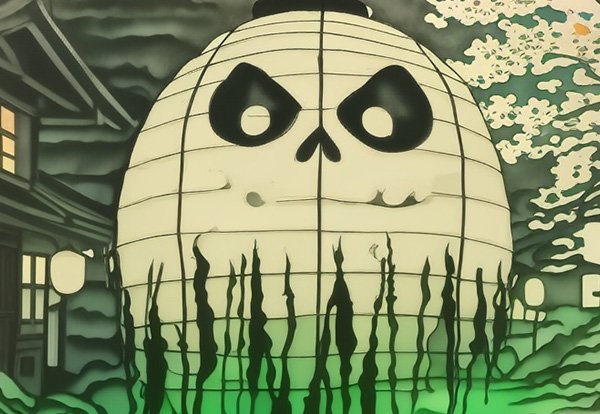
A haunted paper lantern yokai with a single eye and long tongue, brought to life through age or neglect, often startling those who pass by.
405
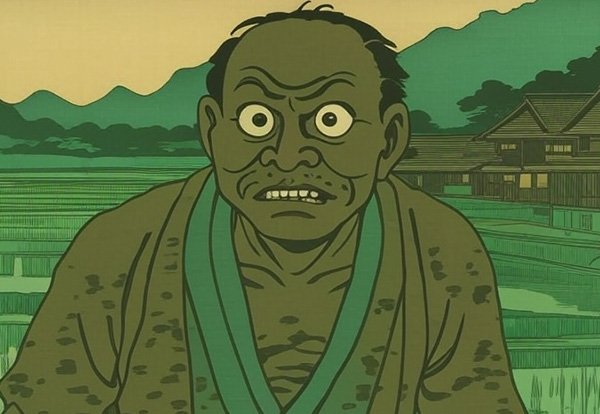
A sorrowful spirit of a farmer who rises from the muddy rice paddies at night, lamenting the loss and neglect of his land.
405
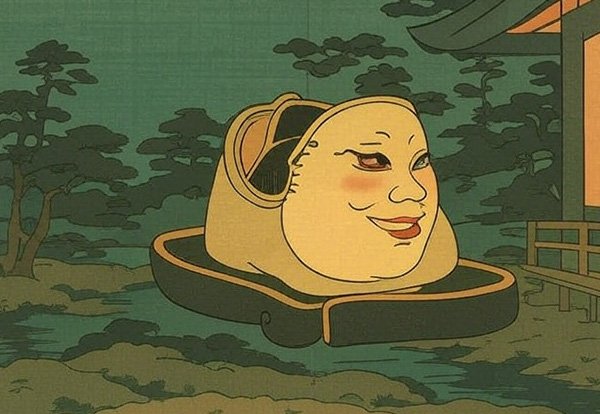
A lively spirit formed from an old straw sandal, the Bakezōri comes to life when neglected. It runs about the house at night chanting and causing playful mischief.
388
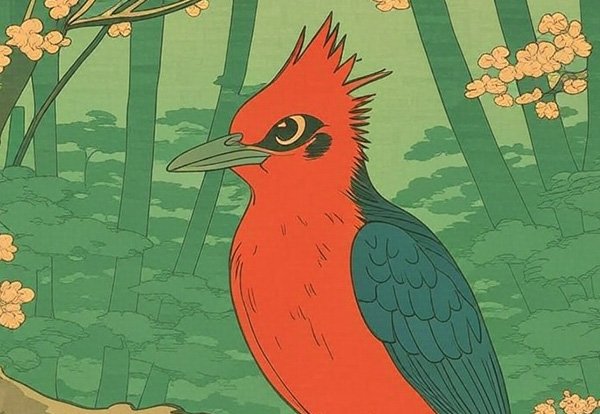
A leaf-dwelling tengu known for its bird-like appearance and trickster behavior, commonly found in forest folklore.
384
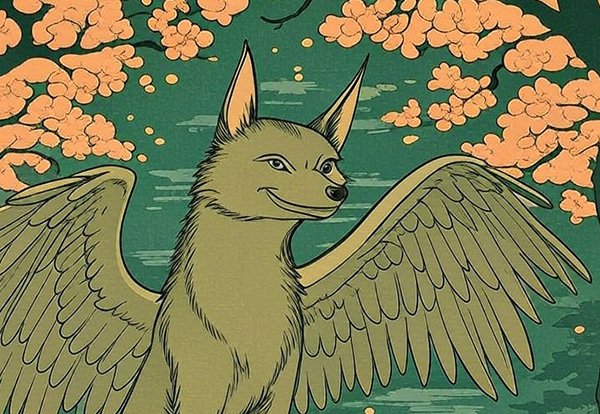
Guhin is a variant of the tengu, often portrayed with canine features and known for its unpredictable temperament—sometimes dangerous, sometimes protective.
370
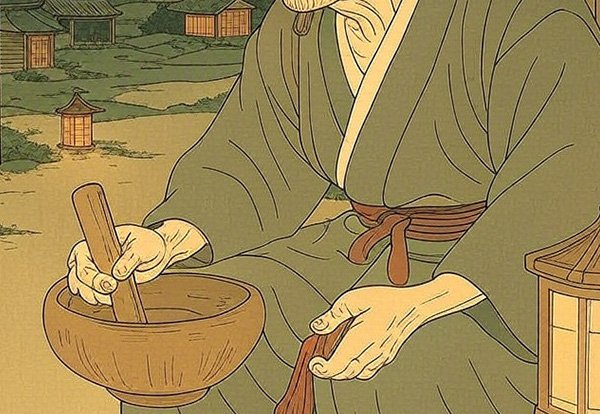
A terrifying bean-grinding hag who lures victims with sound and devours them deep in the forest.
365